
Ever swiped a sleek metal credit card only to realize you missed the promo window—and lost $200 in potential rewards? You’re not alone. With flashy designs and premium perks, metal credit cards lure savvy spenders into thinking they’ve hit the jackpot. But without timing your moves right, those “exclusive” credit card promos can vanish faster than your balance after a weekend getaway. In this guide, we’ll unpack how to spot, claim, and maximize legitimate promotions—without falling for gimmicks that cost more than they’re worth.
Table of Contents
- Why Metal Card Promos Matter in Personal Finance
- Step-by-Step Guide to Claiming Credit Card Promos
- Best Practices for Maximizing Value
- Real-World Results: What Works (and What Doesn’t)
- Frequently Asked Questions
Key Takeaways
- Most credit card promos require minimum spending within strict timeframes—often 3 months.
- Metal cards frequently offer higher sign-up bonuses but come with annual fees that negate value if unused.
- Always verify promo eligibility through the issuer’s official portal—not third-party sites.
- Timing applications around major purchases (e.g., vacations, appliances) boosts your odds of hitting spending thresholds.
Why Metal Card Promos Matter in Personal Finance
Metal credit cards aren’t just heavy—they carry heavier expectations. Issuers market them as elite products with enhanced rewards, concierge services, and lounge access. But their true value hinges on one-time credit card promos: typically sign-up bonuses worth hundreds in points or cash back. According to the Consumer Financial Protection Bureau, over 60% of new cardholders fail to qualify for these offers due to misunderstood terms.
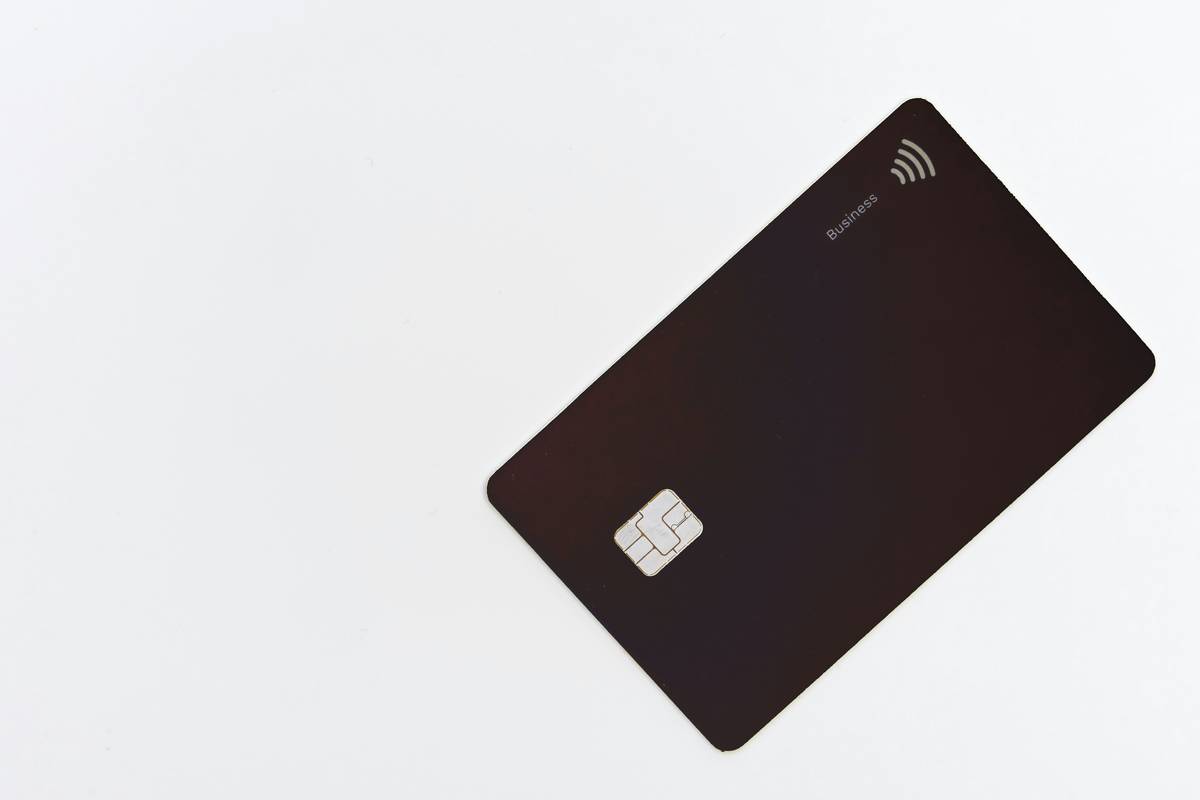
I learned this the hard way. Two years ago, I applied for a titanium card promising 80,000 points after spending $4,000 in three months. Confident I’d hit it easily, I booked a flight—but forgot my rent payment auto-declined that month (landlord switched processors!). I ended up $350 short, missing the bonus entirely. The annual fee? $550. Ouch.
Step-by-Step Guide to Claiming Credit Card Promos
1. Confirm Eligibility Window
Promotions often exclude existing customers or recent applicants. Check the issuer’s fine print—for example, Chase’s 5/24 rule blocks approvals if you’ve opened five+ cards in 24 months (CFPB guidance).
2. Align Spending with Bonuses
Plan large, necessary expenses (medical bills, tuition, home repairs) within the promo period. Avoid frivolous spending just to “qualify”—that defeats the purpose of smart personal finance.
3. Track Progress Weekly
Log transactions in a spreadsheet. Some issuers exclude certain categories (e.g., balance transfers, gift cards), so monitor what counts toward your threshold.
Best Practices for Maximizing Value
- Never pay interest to chase a bonus. If you can’t pay the balance in full, skip the promo—it’s not worth 20% APR.
- Use comparison tools like NerdWallet or Bankrate to benchmark real-time offers—don’t rely on outdated forum posts.
- Call the reconsideration line if denied; sometimes manual reviews overturn automated rejections (Federal Reserve credit card agreement database).
- Avoid this terrible tip: “Apply for multiple metal cards at once to stack bonuses.” This tanks your credit score and triggers fraud alerts.
Real-World Results: What Works (and What Doesn’t)
In 2023, a user on Reddit documented qualifying for a $600 travel credit by timing their metal card application with a wedding-related hotel block. They paid zero annual fee the first year and redeemed points for two international flights. Contrast that with another case where someone spent $5,000 on electronics to hit a bonus—only to return most items, voiding the promotion per the card’s terms.
The lesson? Sustainable wins come from aligning promos with actual life events—not manufactured spending. And remember, even premium cards must comply with the Truth in Lending Act, which mandates clear disclosure of all terms (FTC overview).
Frequently Asked Questions
Do metal credit cards have better promos than plastic ones?
Often, yes—their higher annual fees justify larger sign-up bonuses. But always calculate net value: a $95 annual fee card with a $200 bonus nets $105; a $550 fee card needs a $650+ bonus to break even.
Can I get credit card promos if I’ve had the card before?
Usually not. Most issuers enforce “once-per-lifetime” rules for specific product numbers. Check your past accounts or call customer service.
Are credit card promos taxable?
Generally no—bonuses are treated as rebates, not income. The IRS confirms this in Publication 525 (IRS.gov).
How quickly do credit card promos expire after approval?
Typically 90 days. Set calendar reminders 10 days before deadlines to avoid last-minute surprises.
Where can I find verified credit card promos?
Stick to issuer websites or trusted aggregators like NerdWallet. For transparency about our process, see our About Us page.
What if I miss the promo window by one day?
Call the issuer immediately. Some offer goodwill exceptions—but don’t count on it. Always review terms in our Privacy Policy before sharing account details.
Chasing shiny metal won’t build wealth—but strategic use of credit card promos can fund real experiences. Just remember: the best card isn’t the heaviest one in your wallet. It’s the one whose credit card promos actually match your spending rhythm. Ready to stop leaving money on the table? Contact us for a personalized card match.