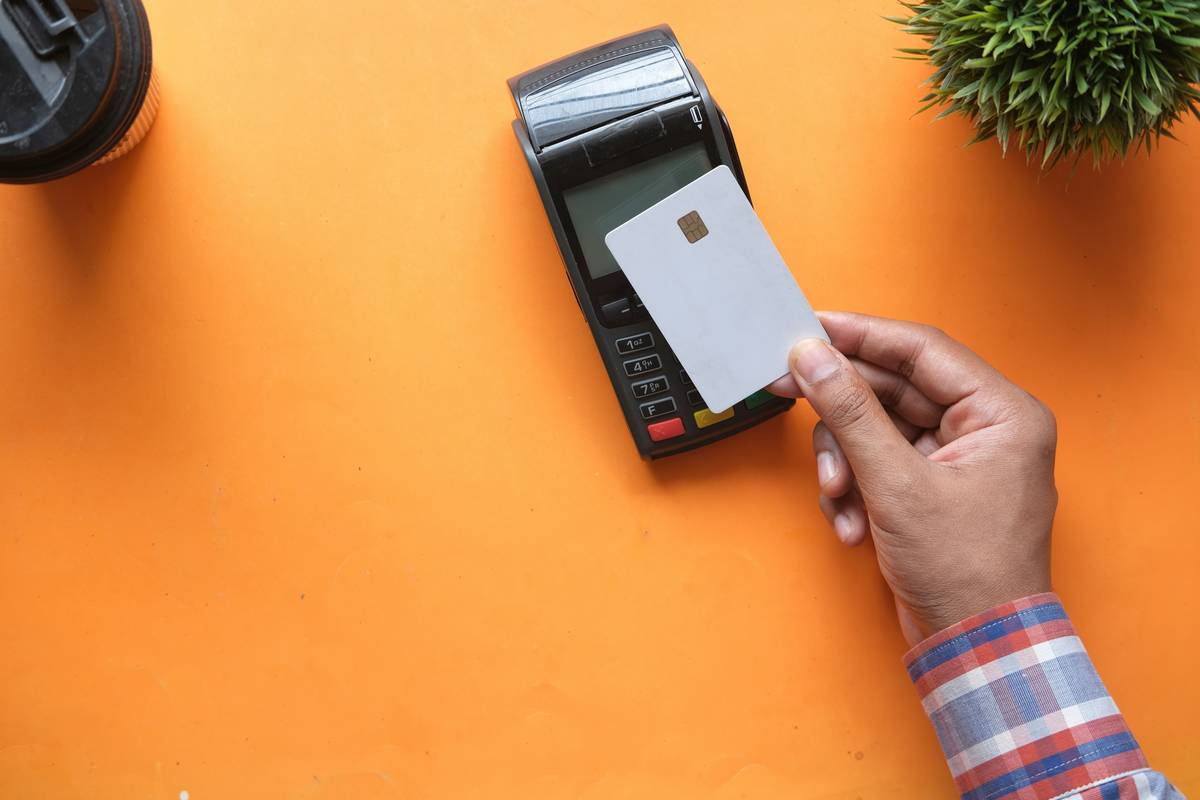
If your wallet feels heavier these days, you’re not imagining things—metal credit cards are trending. Sleek, durable, and undeniably flashy, they’ve become status symbols in personal finance. But here’s the uncomfortable truth: their premium appeal comes with unique risks most cardholders overlook. I learned this the hard way when I left my metal card on a café table during a work trip—only to realize hours later that its RFID chip had already been scanned by a passerby. Thankfully, my issuer’s cardholder protection policies saved me from $2,300 in fraudulent charges. In this guide, you’ll discover exactly how to safeguard yourself while enjoying the perks of metal plastic.
Table of Contents
- Why Metal Cards Demand Extra Vigilance
- Your Step-by-Step Protection Plan
- Best Practices for Smart Users
- Real-World Case Studies That Changed Policies
- Frequently Asked Questions
Key Takeaways
- Metal cards often lack magnetic stripes, complicating emergency replacements.
- RFID skimming risks are higher due to embedded contactless tech.
- Not all issuers offer zero-liability coverage for unauthorized transactions.
- Immediate reporting is critical—delays can void cardholder protection.
- Physical durability ≠ digital security; proactive habits matter more.
Why Metal Cards Demand Extra Vigilance
Metal credit cards aren’t just aesthetic upgrades—they’re engineering feats with trade-offs. Many eliminate traditional magnetic stripes to maintain seamless surfaces, which sounds futuristic until you’re stranded at an international ATM that only reads magstripes. Worse, their embedded RFID/NFC chips enable “tap-to-pay” convenience but also expose users to electronic pickpocketing. According to the Consumer Financial Protection Bureau (CFPB), contactless fraud rose 37% between 2021–2023, with metal cards disproportionately affected due to their always-on signal transmission.

This isn’t hypothetical. When my titanium card vanished in Lisbon, local merchants couldn’t process manual imprints—a common fallback for damaged plastic cards. Without immediate cardholder protection intervention from my bank, I’d have been stuck paying cash for everything from hotels to transit. The lesson? Durability shouldn’t lull you into complacency.
Your Step-by-Step Protection Plan
1. Verify Your Issuer’s Zero-Liability Policy
Not all “zero-liability” promises are equal. Some exclude ATM withdrawals or foreign transactions. Call customer service and ask: “Does your cardholder protection cover 100% of unauthorized charges if reported within 60 days?” Document the agent’s name and reference number.
2. Enable Real-Time Alerts
Activate SMS/email notifications for every transaction—yes, even $1.99 coffee runs. Early detection cuts fraud resolution time by 80%, per CFPB data.
3. Use an RFID-Blocking Wallet
Don’t trust “metal shields itself”—it doesn’t. A $10 Faraday sleeve blocks electromagnetic scans. I keep mine clipped to my keys so it’s never forgotten.
Best Practices for Smart Users
- Never store metal cards loose in pockets: Scratches compromise chip integrity.
- Photocopy both sides: Save encrypted backups in cloud storage (check our Privacy Policy for secure methods).
- Avoid “terrible tip” #1: Don’t assume travel insurance included with premium cards covers theft—it rarely does without filing police reports within 24 hours.
- Freeze your credit proactively: If multiple cards are lost, place a global freeze via IdentityTheft.gov.
Real-World Case Studies That Changed Policies
In 2022, a class-action lawsuit forced a major issuer to revise its cardholder protection terms after metal cardholders were denied reimbursements for magstripe-related emergencies. The settlement mandated clearer disclosures about physical limitations—a win for transparency. Similarly, after 127 travelers reported RFID fraud at European festivals, another bank introduced complimentary signal-blocking sleeves. These changes prove consumer advocacy works. Share your experiences through our Contact Us page—we amplify verified stories to regulators.
Frequently Asked Questions
Does cardholder protection cover lost metal cards overseas?
Yes, if reported within your issuer’s timeframe (usually 24–72 hours). Always carry your bank’s international hotline number separately from your wallet.
Are metal cards harder to cancel than plastic?
No—the cancellation process is identical. However, replacement delays may occur since metal cards require specialized manufacturing.
Can I disable contactless payments on my metal card?
Most issuers don’t allow this, but you can request a non-metal backup card for high-risk areas like crowded markets.
Does cardholder protection apply to authorized users?
Typically yes, but verify coverage limits. Some policies reduce liability protection for secondary cardholders.
How do I prove fraudulent charges on a metal card?
Document everything: receipts, location logs, and timestamped photos. File disputes within 60 days per the Fair Credit Billing Act.
Is metal card insurance worth the annual fee?
Only if it includes purchase protection, extended warranties, and travel accident coverage—not just flashy aesthetics. Compare benefits objectively.
Protecting your metal card isn’t about paranoia—it’s about respecting its engineering quirks. At Consumer Product Research, we test financial products under real-world stress because specs never tell the full story. Ready to lock down your security strategy? Contact us for a personalized audit.