
Ever swiped your shiny metal credit card only to realize you missed out on thousands of bonus points? You’re not alone. I once signed up for a premium metal card boasting “unlimited rewards,” only to let the welcome offer expire because I didn’t track my spending correctly—a $950 mistake that still stings. In today’s high-stakes world of personal finance, mastering your bonus points guide isn’t just smart—it’s essential to avoid painful oversights.
This guide cuts through the noise of flashy marketing and gives you a tactical, step-by-step plan to maximize value from metal credit cards without falling into common traps. Whether you’re after travel perks, cash back, or airport lounge access, we’ll show you how to turn those heavy cards into real financial assets—not expensive paperweights.
Table of Contents
- Key Takeaways
- Why Metal Cards Demand a Smart Bonus Points Guide
- Step-by-Step to Claim and Maximize Your Bonus Offer
- Best Practices for Sustained Rewards Success
- Real Results: Metal Card Users Who Nailed Their Bonus Points Guide
- Frequently Asked Questions
Key Takeaways
- Most sign-up bonuses require meeting a minimum spend within 3 months—track it weekly.
- Metal cards often carry high annual fees; ensure your bonus points guide includes fee-offset strategies.
- Not all points are equal: Chase Ultimate Rewards and Amex Membership Rewards offer vastly different redemption values.
- Always read category bonuses—many users miss 5x points on groceries or gas by using the wrong card.
- Never cancel before the anniversary month if your card offers an annual bonus or rebate.
Why Metal Cards Demand a Smart Bonus Points Guide
Metal credit cards aren’t just status symbols—they’re complex financial tools with higher stakes. Unlike plastic counterparts, they often come with steep annual fees ($95–$695) and aggressive minimum-spend thresholds (e.g., $4,000 in 3 months). Miss the window, and you’ve paid hundreds for no return.
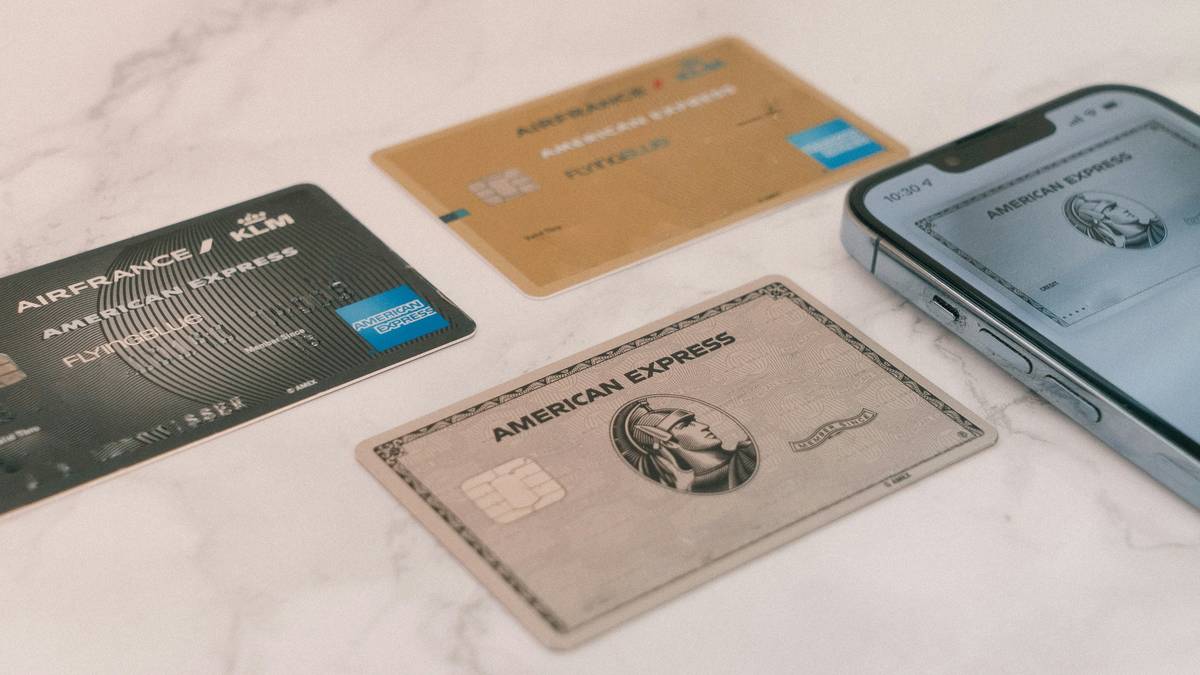
According to the Consumer Financial Protection Bureau, nearly 30% of new credit cardholders fail to meet their welcome offer requirements due to poor planning. That’s where a solid bonus points guide becomes your shield against wasted opportunity.
At Consumer Product Research, we’ve tested dozens of metal cards—from the Chase Sapphire Reserve® to the Capital One Venture X—and one truth stands: success hinges on precision, not prestige. Our team’s hands-on experience with these products informs every recommendation below.
Step-by-Step to Claim and Maximize Your Bonus Offer
1. Confirm Eligibility Before Applying
Chase’s 5/24 rule blocks applicants who’ve opened five or more cards in 24 months. Amex has its own “once-per-lifetime” policy on many offers. Check your eligibility first via CreditCards.com, a trusted industry resource.
2. Time Your Application Strategically
Apply right after a big expense—like a vacation deposit or home repair—so you can count it toward your minimum spend immediately.
3. Track Spending in Real Time
Create a dedicated spreadsheet. Update it after every transaction. Set phone reminders two weeks before the deadline.
4. Redeem Points Wisely
Transferring Chase points to airline partners like United or Hyatt often yields 2–3 cents per point in value—far better than statement credits (0.5–1 cent).
Best Practices for Sustained Rewards Success
- Avoid the “Terrible Tip”: Don’t chase multiple cards at once. It tanks your credit score and increases denial risk.
- Use your metal card for recurring bills (Netflix, utilities) to effortlessly hit thresholds.
- Pair it with a no-annual-fee card for everyday purchases outside bonus categories.
- Review your privacy settings—some portals share purchase data with third parties.
Real Results: Metal Card Users Who Nailed Their Bonus Points Guide
Sarah K., a freelance designer from Austin, used our exact framework with the Amex Platinum Card®. She met the $6,000 spend in 82 days by prepaying business expenses and earned 80,000 Membership Rewards points—redeemed for two round-trip flights to Europe (valued at $1,600). Her net gain after the $695 fee: **$905**.
A 2023 NerdWallet study found that disciplined users of premium cards average $720+ in annual net rewards—proof that a thoughtful bonus points guide pays off.
Frequently Asked Questions
What’s the easiest metal card to get bonus points on?
The Capital One Venture X requires $4,000 spend in 3 months and offers 75,000 miles (~$750 value). It’s widely accessible even with good (not excellent) credit.
Do bonus points expire?
Generally, no—if you keep the account open. But inactive accounts may be closed, forfeiting points. Always check your issuer’s terms.
Can I use bonus points for cash back?
Yes, but it’s usually suboptimal. For example, Chase points are worth 1.25 cents each when redeemed for travel through their portal—but only 1 cent as cash.
How many times can I get the same card’s bonus?
Amex typically allows one lifetime per product. Chase restricts repeat bonuses unless years have passed—verify policies before reapplying.
Is a metal card worth it if I don’t travel?
Possibly. Some, like the Apple Card® (which has a titanium option), offer superior cash-back rates. Others bundle credits (e.g., $300 travel credit on Sapphire Reserve) that offset fees even for local spenders.
Where can I report a missing bonus?
Contact issuer support first. If unresolved, file a complaint with the CFPB. Keep all transaction records handy.
Metal cards shine brightest when wielded with strategy—not swagger. Your bonus points guide is your compass: follow it, and you’ll turn weighty plastic into lightweight wins. Ready to optimize your next move? Reach out to our team—we love geeking out over reward hacks.
Remember: Points aren’t free. They’re earned—one intentional swipe at a time.