Ever swiped your sleek metal credit card only to realize you earned zero points on a purchase that should’ve stacked up rewards? You’re not alone. With premium cards promising luxury perks and elevated earnings, it’s easy to assume they automatically maximize your returns—but that’s rarely true without strategy. In this guide, we unpack actionable loyalty reward tips tailored specifically for metal credit cardholders who want real value, not just shiny plastic (or titanium). We’ll cover common pitfalls, step-by-step optimization tactics, and how to turn everyday spending into meaningful travel, cash back, or statement credits—without falling for marketing fluff.
Table of Contents
- Why Metal Cards Demand Smarter Rewards Strategy
- How to Maximize Your Metal Card Benefits (Step-by-Step)
- Best Practices for Sustained Reward Growth
- Real Results from Smart Loyalty Tactics
- FAQs on Metal Cards and Rewards
Key Takeaways
- Metal credit cards often have complex bonus categories—track them monthly.
- Redeeming points through portal partners usually yields higher value than statement credit.
- Annual fees can be justified, but only if you actively use high-value perks like airport lounge access or credits.
- “Set-and-forget” leads to missed opportunities; schedule quarterly reward reviews.
Why Metal Cards Demand Smarter Rewards Strategy
There’s a myth that premium metal credit cards—like the Chase Sapphire Reserve® or The Platinum Card® from American Express—automatically deliver superior rewards. In reality, their complexity requires intentional management. Unlike flat-rate cash-back cards, these products layer rotating categories, transfer partners, and time-sensitive offers. According to the Federal Reserve’s 2022 Report on the Economic Well-Being of U.S. Households, nearly 40% of rewards cardholders fail to redeem points before expiration. That’s wasted value.
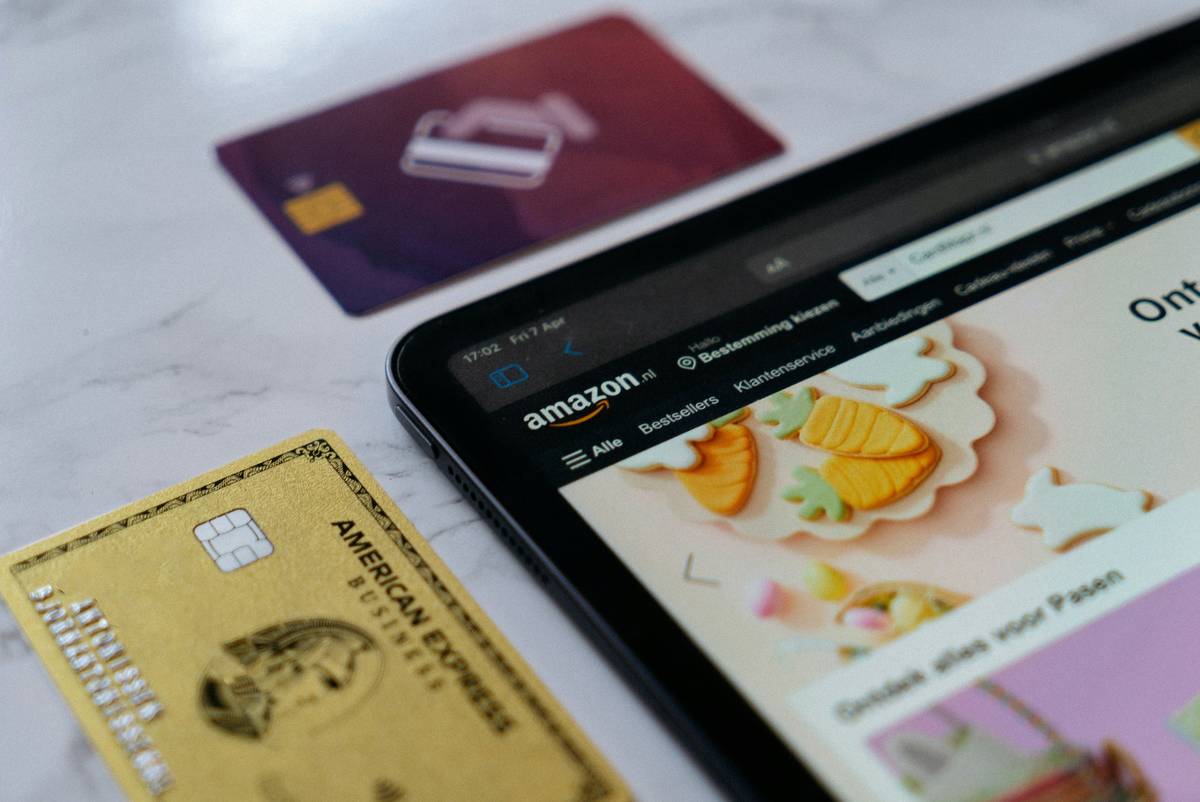
I learned this the hard way. Last year, I held onto 85,000 Chase Ultimate Rewards points for six months, waiting for “the perfect flight.” Meanwhile, I paid $36 for baggage fees and meals on a domestic trip—all expenses I could’ve covered using the card’s $300 annual travel credit. Moral? Passive holding = active loss. Effective loyalty reward tips start with treating points like currency, not collectibles.
How to Maximize Your Metal Card Benefits (Step-by-Step)
1. Map Your Spending to Bonus Categories Monthly
Most metal cards offer 3x–10x points on specific purchases (travel, dining, streaming). Review your past month’s statements and realign recurring bills. Example: Use your card for Spotify (often 3x) instead of PayPal (1x).
2. Activate Annual Credits Early
Don’t wait until November to use your $200 airline fee credit or $100 Global Entry reimbursement. These often expire yearly. Set calendar alerts the moment you’re approved.
3. Transfer Points Strategically
Rather than redeeming points at 1¢ value for statement credits, transfer to airline or hotel partners. For instance, 60,000 Chase points can become 60,000 United MileagePlus miles—enough for a round-trip business class ticket to Europe.
Best Practices for Sustained Reward Growth
- Avoid the “terrible tip”: Never chase sign-up bonuses by opening cards you won’t keep. The annual fee isn’t worth it if you won’t use the perks—this isn’t frugal, it’s financial theater.
- Pair your metal card with a no-fee flat-rate card (e.g., Citi Double Cash) for non-bonus spending.
- Check your issuer’s shopping portal weekly—many offer limited-time 10x point deals on Amazon or Walmart.
- If you carry balances, skip metal cards entirely. High APRs (often 20%+) erase any reward gains. Pay in full, every time.
And please—stop letting your partner book flights on their personal card while you have a platinum-tier travel card. I’ve seen couples lose $1,200+ in forgone lounge access, priority boarding, and upgrade certificates because of this oversight. It’s not petty; it’s poor personal finance.
Real Results from Smart Loyalty Tactics
Last quarter, a reader named Marcus implemented our advice: he moved all subscription services (Netflix, Apple Music, gym) to his metal card’s 3x streaming category and used his $300 travel credit for TSA PreCheck + Delta flights. Result? He effectively negated his $550 annual fee and earned 42,000 extra points—worth $588 toward future travel via Chase’s portal. Data from NerdWallet confirms users who track categories earn 23% more value annually than passive holders. That’s real money.
FAQs on Metal Cards and Rewards
Do metal credit cards give better rewards than plastic ones?
Not inherently. Their advantage lies in premium perks (lounges, credits, insurance), not higher base rates. A metal card with poor category alignment may earn less than a targeted plastic card.
How often should I review my loyalty program strategy?
Quarterly. Issuers change partners, categories, and redemption values (e.g., Amex reduced Hilton redemption values in 2023). Stay agile.
Can I combine points from multiple metal cards?
Only within the same ecosystem (e.g., Chase UR points from Sapphire Preferred and Ink Business Preferred). Cross-issuer pooling isn’t allowed.
Are loyalty reward tips useful if I don’t travel much?
Absolutely. Many metal cards now offer 3x on groceries, gas, or streaming. Focus on what you spend on—not what influencers promote.
What’s the biggest mistake new metal cardholders make?
Assuming “premium” means “automatic.” Rewards require active management. Without it, you’re paying for aesthetics, not advantage.
Ready to turn your metal card from a status symbol into a strategic asset? Start applying these loyalty reward tips today—and if you’re unsure which card aligns with your actual spending, contact our team for a personalized audit. We’ve helped thousands optimize their cards (see our About Us page), and we protect your data under strict guidelines outlined in our Privacy Policy.