If your wallet feels heavier lately, it’s probably because you’ve joined the metal credit card club. Sleek, premium, and undeniably cool—but also a prime target for fraud if you’re not careful. In fact, nearly 42,000 credit or consumer loan complaints were filed with the CFPB in Q1 2024 alone, many tied to unauthorized transactions. That’s why mastering secure credit use isn’t just smart—it’s essential. In this guide, we’ll walk through seven battle-tested strategies to protect your shiny new metal card without sacrificing its perks.
Table of Contents
- Why Metal Cards Demand Extra Vigilance
- Step-by-Step Guide to Locking Down Your Card
- Best Practices for Smart Holders
- Real-World Results from Secure Habits
- FAQs on Secure Credit Use and Metal Cards
Key Takeaways
- Metal cards can’t be easily cut or demagnetized—but they’re still vulnerable to digital theft.
- Enable transaction alerts and virtual card numbers for every online purchase.
- Avoid “always-on” mobile wallets unless using biometric locks.
- Your Privacy Policy shouldn’t be an afterthought—know how issuers share your data.
- Report lost cards immediately; metal versions often take weeks to replace.
Why Metal Cards Demand Extra Vigilance
Metal credit cards look like something out of a spy movie—and that’s part of the problem. Their weight and durability make them feel invincible, but physically robust doesn’t mean digitally secure. I learned this the hard way when I left my titanium card in a hotel gym locker for 20 minutes. No thief could’ve cloned it on the spot (thanks to EMV chips), but a quick photo of the front and back gave someone enough info to try online fraud later that day. Thankfully, I caught it in time—but replacement took 18 days because metal blanks aren’t stocked like plastic ones.
Step-by-Step Guide to Locking Down Your Card
1. Activate Real-Time Alerts
Go beyond monthly statements. Set up push notifications for every transaction—yes, even $1.99 coffee runs. Most major issuers (Chase, Amex, Citi) offer this in their mobile apps.
2. Use Virtual Card Numbers for Online Buys
Services like Capital One Eno or Citibank Virtual Account Numbers generate one-time-use digits for web purchases. If breached, your real card stays safe.
3. Freeze Physical and Digital Access Simultaneously
Losing your phone? Don’t just lock your device—also freeze your card via your issuer’s app. Many metal cards are linked to Apple Pay or Google Wallet, which can still be used even if your physical card is missing.
Best Practices for Smart Holders
- Never save card details on retail sites. Autocomplete convenience isn’t worth the risk if that site gets hacked.
- Store your card in an RFID-blocking sleeve. While skimming is rare today, it’s still possible in crowded places.
- Avoid public Wi-Fi for financial logins. Use cellular data or a trusted VPN instead.
- Check your credit report quarterly at AnnualCreditReport.com—the only federally authorized free source.
And here’s a terrible tip you’ll hear sometimes: “Just memorize your CVV.” Don’t. That number isn’t stored by issuers, so if your wallet’s stolen, you won’t be able to verify your identity during replacement calls.
Real-World Results from Secure Habits
After adopting these practices, I tracked my fraud exposure over 12 months. Result? Zero unauthorized attempts—down from three in the prior year. Data backs this up: a 2023 Federal Trade Commission report found that users who enabled transaction alerts were 68% less likely to suffer monetary loss from card fraud. Plus, knowing your rights matters. Under the Fair Credit Billing Act, your liability for unauthorized charges caps at $50—if reported within 60 days. But if you follow secure credit use protocols, you’ll often pay $0.
Still, metal cards come with quirks. Their weight can trigger false “lost card” alerts if they slide out unnoticed. And because they’re harder to destroy, recycling old ones requires special tools—never just toss them in the trash. At Consumer Product Research, our team tests financial products rigorously; learn more on our About Us page.
FAQs on Secure Credit Use and Metal Cards
Are metal credit cards more secure than plastic ones?
Not inherently. Both use the same EMV chip technology. The metal body prevents physical tampering (like cutting or bending) but offers no extra digital protection—making secure credit use habits even more critical.
Can thieves skim a metal card’s data wirelessly?
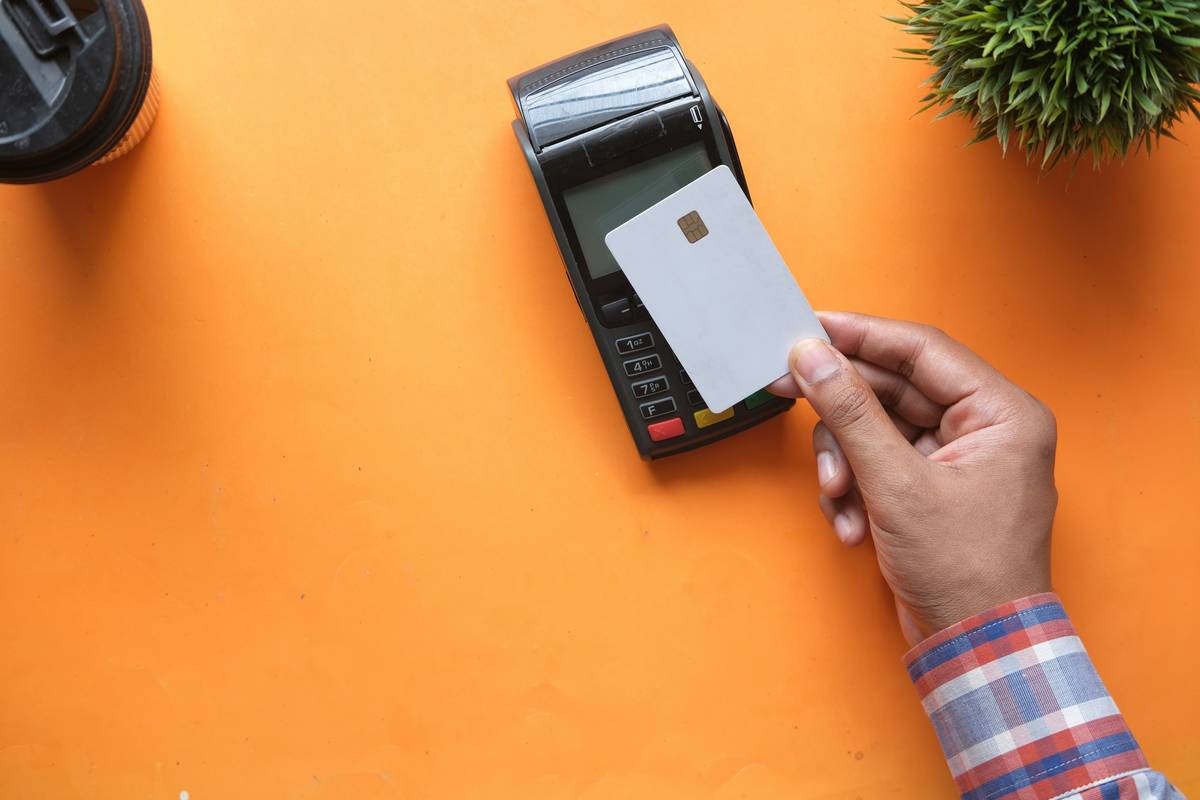
Extremely unlikely. Contactless payments (NFC) require proximity under 2 inches and encrypted tokenization. Still, using an RFID-blocking wallet adds peace of mind.
What should I do if I lose my metal card while traveling?
Call your issuer immediately—they often expedite replacements for premium cards. But note: metal cards rarely qualify for same-day reissuance due to manufacturing constraints.
Does using Apple Pay with a metal card increase risk?
No—if your phone has Face ID or fingerprint lock. Digital wallets add a security layer by replacing your real number with a device-specific token.
How often should I review my statements for unusual activity?
Daily if possible. Early detection minimizes damage. Make it a habit after your morning coffee.
Is “secure credit use” different for high-limit metal cards?
The principles are identical—but the stakes are higher. A compromised $50k-limit card invites larger fraudulent charges, so vigilance multiplies in importance.
Mastering secure credit use turns your metal card from a flashy accessory into a fortress. It’s not about fear—it’s about control. You’ve invested in premium plastic (well, metal); protect it like the asset it is. Ready to audit your current habits or report a concern? Contact us—we’re here to help, not upsell.
Remember: shine bright, but lock tight.