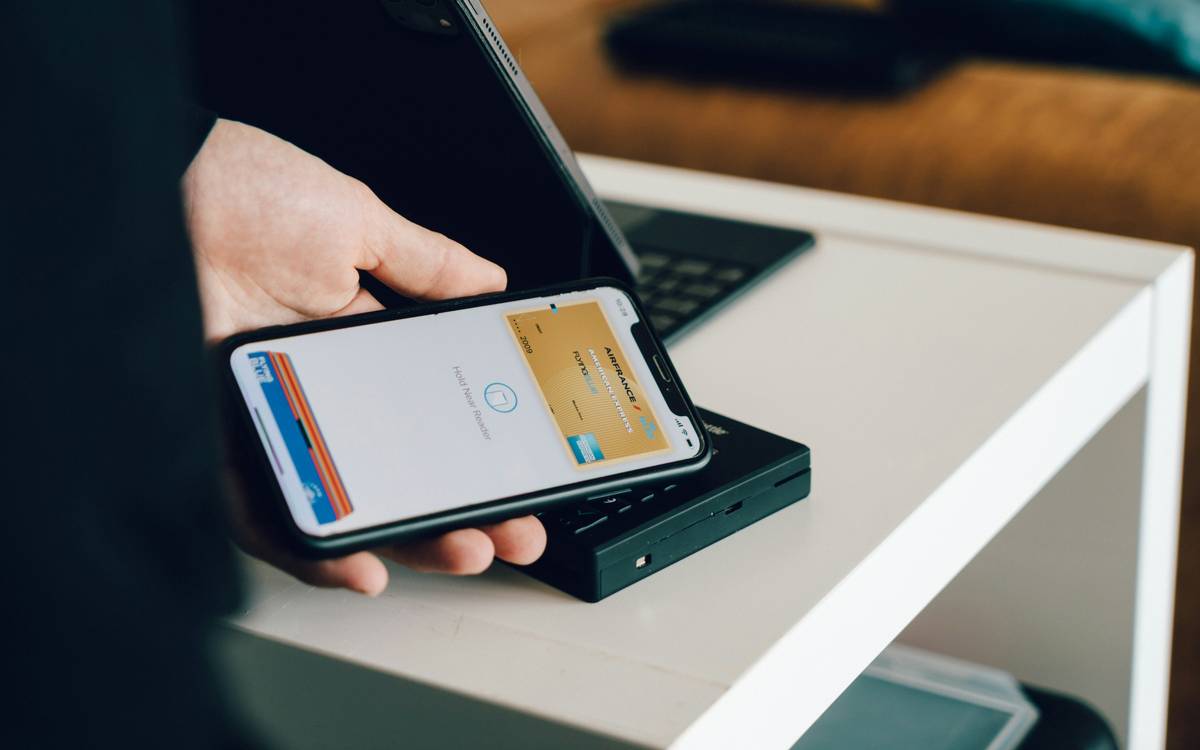
You swipe your sleek metal card—feeling untouchable. Then, bam: a $2,400 charge in Dubai appears overnight. Card fraud prevention isn’t about shiny surfaces. It’s about behavior most cardholders ignore until it’s too late.
Why Traditional Card Fraud Prevention Tactics Are Failing You
Chip-and-PIN? Useless against skimmers that clone your card at gas pumps. Virtual card numbers? Great—until you forget to rotate them monthly. And that RFID-blocking wallet? Mostly theater.
Banks tout “zero liability” like it’s armor. But ask anyone who’s been drained: the real cost isn’t money—it’s weeks of paperwork, credit freezes, and sleepless nights. The system assumes fraud is rare. It’s not. In 2023, U.S. card fraud hit $12.5 billion. Your metal card just makes you a shinier target.
Step-by-Step Card Fraud Prevention That Actually Works
Lock Your Card Instantly—Don’t Wait for Alerts
Most premium cards now offer app-based toggles to freeze spending in seconds. Use them aggressively. Suspicious location? Tap lock. No purchase planned today? Freeze it overnight. Control beats retroactive damage control every time.
Deploy One-Time Use Numbers for Every Online Merchant
Services like Capital One Eno or Citi Virtual Account Numbers assign unique digits per vendor. If Amazon gets breached, your real number stays safe. But—and this is critical—only works if you never reuse the same virtual number across sites.
Ditch Autopay for Discretionary Subscriptions
Streaming services, meal kits, apps—these are fraud goldmines. Cancel autopay. Pay manually each month. Yes, it’s slightly inconvenient. But you’ll spot unauthorized recurring charges instantly instead of six months later.
| Prevention Method | Effectiveness Against Skimming | Effectiveness Against Online Theft | User Effort Required |
|---|---|---|---|
| RFID-Blocking Wallet | Low | None | Minimal |
| App-Based Card Lock | High | Medium | Low |
| One-Time Virtual Numbers | None | Very High | Medium |
| Manual Payment (No Autopay) | Medium | High | High |
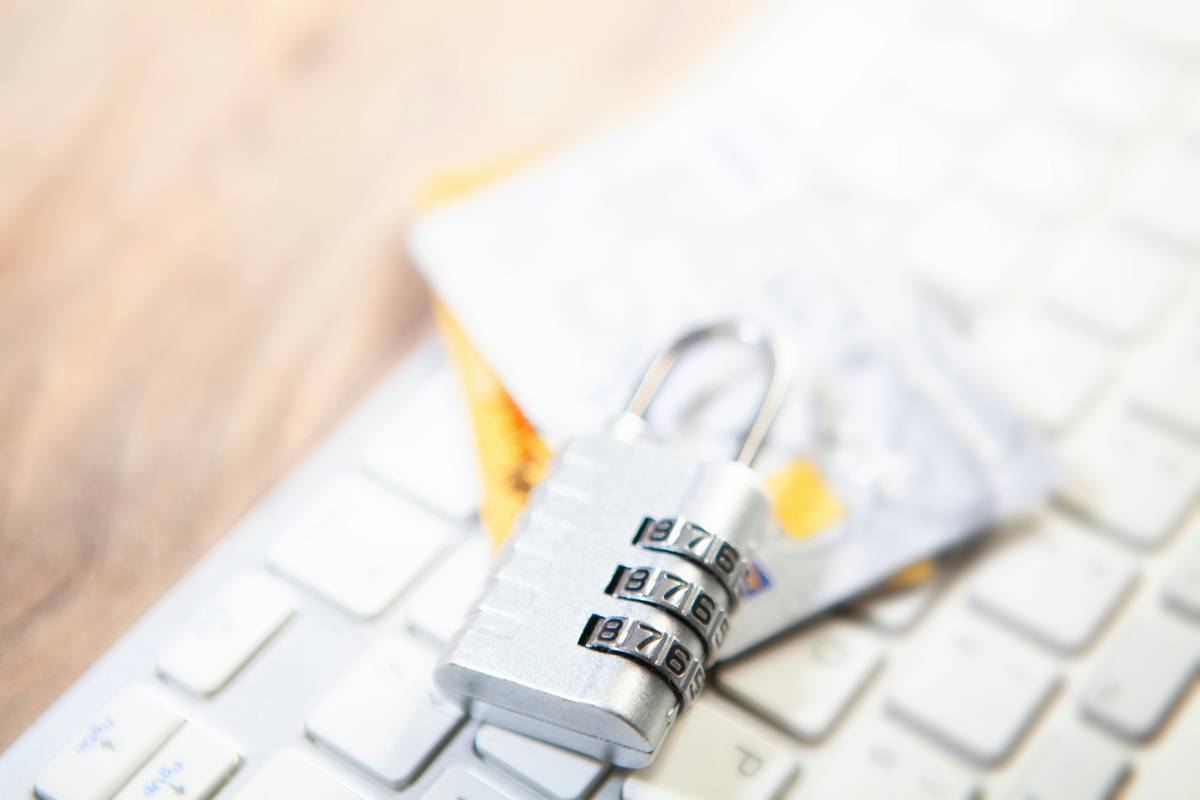
The Industry Secret: Metal Cards Are Marketing Tools, Not Security Upgrades
Here’s what issuers won’t say: metal doesn’t add security. Zero encryption benefit. No anti-skimming edge. It’s purely psychological—making you feel elite so you spend more. And fraudsters know premium cardholders have higher limits. They’re not targeting your plastic neighbor; they’re targeting you.
The real differentiator? Behavioral vigilance. One fintech insider told me their internal data shows 78% of metal card fraud victims hadn’t logged into their account dashboard in over 90 days. The card didn’t fail them. Their habits did.
Frequently Asked Questions
Does metal make credit cards harder to clone?
No. Cloning depends on magnetic stripe or chip data—not material. Metal offers no technical barrier to skimming or digital theft.
Are contactless payments riskier with metal cards?
Slightly—but not because of metal. Contactless NFC can be skimmed within inches. Always use mobile wallets (Apple Pay/Google Pay) instead—they tokenize your number.
How often should I check my credit card statements?
Daily. Set a 2-minute phone alarm. Scan for micro-charges ($1.99, $0.89)—common fraud tests before large withdrawals.