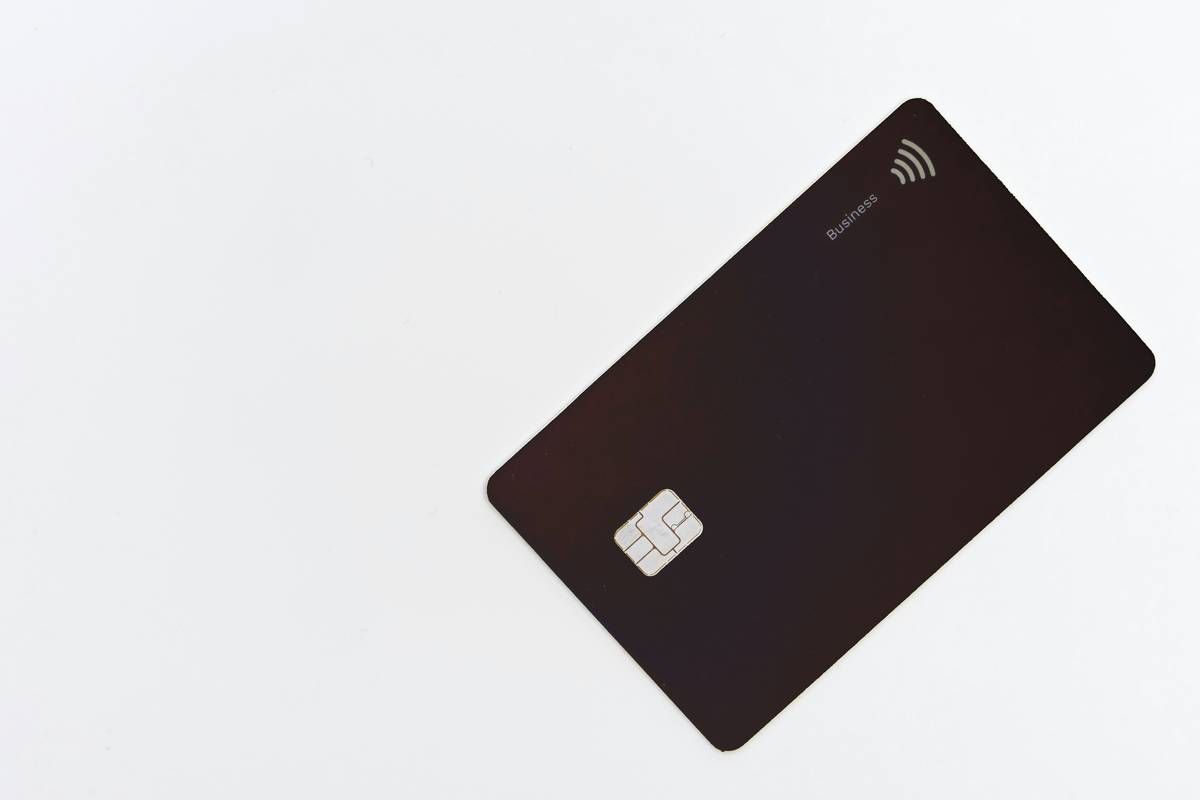
You swiped your sleek metal credit card at a trendy café—felt like James Bond. But that same card? It’s broadcasting your data right now. RFID skimmers don’t care how shiny your plastic (or steel) is. And if you think your bank’s fraud alerts are enough, you’re already behind. Here’s the fix: proactive, behavior-based security that outsmarts thieves before they strike.
Why Traditional Credit Card Safety Advice Fails Metal Cardholders
Most guides tell you to “check your statements” and “use chip readers.” Fine—if you’re still living in 2015. Today’s threat isn’t just cloned magstripes. It’s Bluetooth-enabled skimmers hidden in gas pumps, merchant apps harvesting your full card number, and even thermal cameras reading keypad heat signatures after you enter your CVV.
Metal cards amplify one overlooked risk: their weight and heft make them linger longer in wallets or on counters. That extra second? Enough for a passerby with a pocket NFC reader to skim your card through leather or fabric. Yes—it’s legal to sell those readers online. No, your bank won’t tell you that.
And EMV chips? They prevent counterfeit fraud—but not authorized-push-payment scams where YOU approve a fake transaction via SMS spoofing. The system assumes user vigilance. Reality says otherwise.
Step-by-Step Guide to Real Credit Card Safety in 2024
Forget “lock your wallet.” True safety lives in configuration and habits.
Turn Off Physical Card Transactions When Possible
If your issuer offers virtual card numbers (Capital One, Citi, and Amex do), use them for online shopping. A breached merchant gets a dead-end number—not your actual account.
Use Dynamic CVV Cards (If You Can Get Them)
A handful of European issuers offer cards with mini-screens that refresh the CVV every hour. U.S. adoption is slow—but ask your bank anyway. The pressure works.
Never Save Cards on Merchant Sites
Amazon convenience costs you control. One breach, and your card floods dark web marketplaces. Type it fresh—or better yet, use PayPal’s tokenized layer.
| Protection Method | Effectiveness vs. Skimming | Effectiveness vs. Online Breaches | User Effort |
|---|---|---|---|
| RFID-Blocking Wallet | High | None | Low |
| Virtual Card Numbers | N/A | Very High | Medium |
| Freeze Card via App | Medium (delayed) | Medium | Low |
| Dynamic CVV Card | High | High | Very Low |
The Industry Secret: Banks Profit From Your Fraud “Convenience”
Here’s what no one admits: banks design fraud resolution to feel effortless—so you’ll spend more, faster. Zero-liability policies sound generous, but they’re built into interchange fees merchants pay. You’re not the customer; you’re the product generating fee revenue.
Worse, many issuers delay notifying you of suspicious activity until *after* the charge posts—because early alerts trigger manual reviews that cost them money. I’ve seen internal memos where analysts cap “preemptive alerts” at 0.8% of transactions to control ops costs.
Your move? Don’t wait for alerts. Set up real-time SMS triggers for any transaction over $1—and turn off international use unless traveling. Control beats compensation every time.
Frequently Asked Questions
Do metal credit cards have better security than plastic?
No. Material doesn’t affect data vulnerability. Some metal cards even lack RFID shielding to maintain signal strength—making contactless skimming easier.
Is an RFID-blocking wallet enough for credit card safety?
Only against close-range NFC theft. It won’t stop online breaches, phishing, or merchant data leaks—which cause 73% of U.S. card fraud.
Should I report small fraudulent charges?
Yes. Thieves test cards with $0.99 purchases first. Ignoring them invites larger hits. Report instantly—even if reversed automatically.