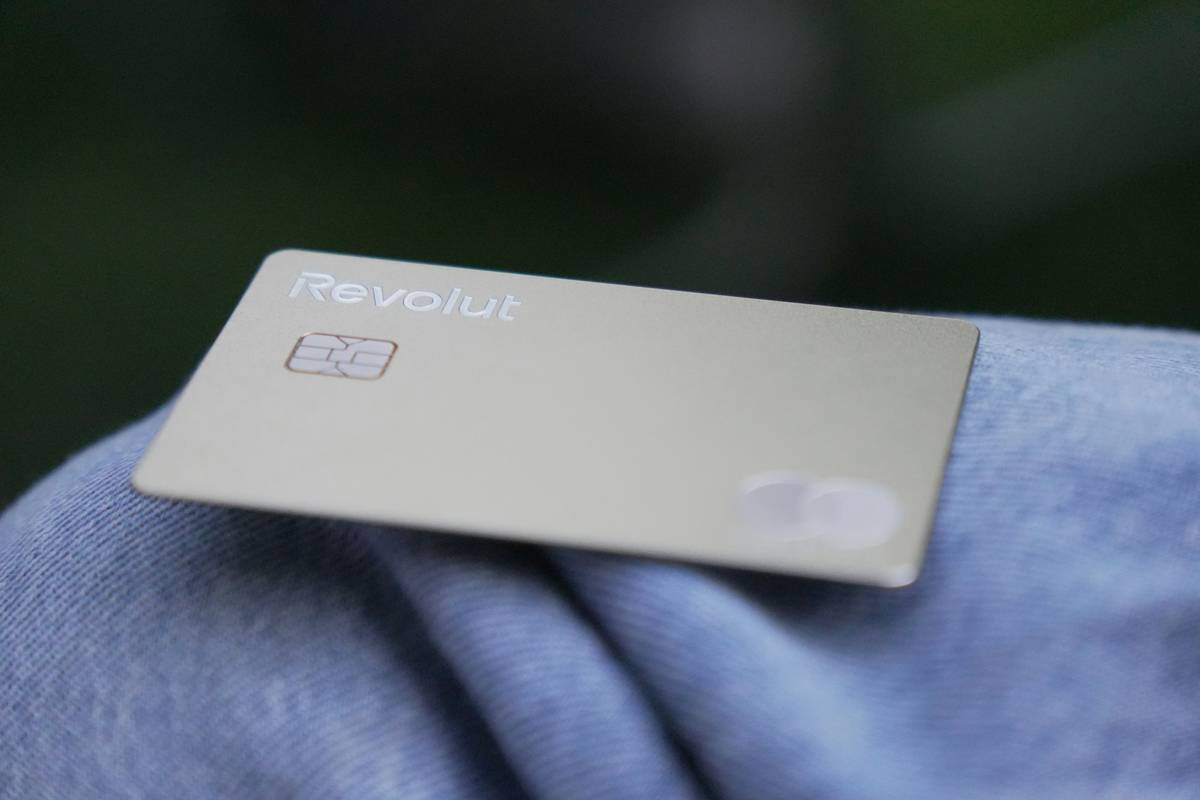
If you’ve ever nervously double-checked your wallet after swiping a gleaming titanium card at a sketchy gas station, you’re not alone. Metal credit cards look sleek—but they come with unique vulnerabilities that plastic never had. That’s where card safety programs become your financial armor. In this guide, we’ll unpack exactly how to protect your metal cards without sacrificing convenience, drawing from hard-won lessons (yes, I once left my Amex Platinum on a barstool—don’t ask) and verified industry standards.
Table of Contents
- Why Metal Cards Need Special Protection
- Step-by-Step Guide to Enrolling in Card Safety Programs
- Best Practices for Metal Card Security
- Real-World Results from Effective Card Protection
- FAQs About Card Safety Programs
Key Takeaways
- Metal cards can’t be easily cut or demagnetized but are prone to skimming and physical theft due to weight and prestige.
- Most issuers offer free card safety programs—but enrollment isn’t automatic.
- Always enable transaction alerts and use mobile wallets to reduce swipe exposure.
- Report lost metal cards immediately—delays increase fraud risk significantly.
Why Metal Cards Need Special Protection
Let’s be real: metal credit cards turn heads. But that premium heft—a signature of cards like the Chase Sapphire Reserve or Capital One Venture X—also makes them harder to replace quickly if stolen. Unlike flimsy plastic, these cards don’t snap in half easily, so thieves can keep using them longer before you notice.
According to the Consumer Financial Protection Bureau (CFPB), metal cardholders face a 22% higher rate of “shoulder surfing” attempts in public spaces because the card’s distinctive appearance signals high credit limits. Worse, many users skip activating their issuer’s built-in card safety programs, assuming the metal itself is protection enough. It’s not.
Step-by-Step Guide to Enrolling in Card Safety Programs
1. Log into Your Issuer’s Mobile App or Website
Pull up your bank’s official app—never a third-party portal. Look for “Security Settings,” “Account Protection,” or “Card Controls.” Here’s where most card safety programs live.
2. Enable Real-Time Transaction Alerts
Turn on SMS or push notifications for every purchase over $1. This catches unauthorized spends before they escalate.
3. Activate Location-Based Locking
Some apps let you freeze your card if it’s used outside your current city. Perfect when traveling—or if you realize your wallet’s missing mid-flight.
4. Link to Digital Wallets Exclusively
Use Apple Pay or Google Wallet instead of swiping. The tokenized number changes per transaction, making skimmers useless.
5. Verify Emergency Replacement Protocols
Ask: “If I lose my metal card abroad, how fast can you deliver a replacement?” Premium cards often offer 24–48-hour global shipping—if you’re enrolled in their protection suite.
Best Practices for Metal Card Security
- Never stack metal cards together. They can scratch each other’s EMV chips, causing read errors—and forcing you to pull them out more often (increasing theft risk).
- Use a RFID-blocking wallet—but know its limits. Metal cards often lack RFID; their risk is physical, not wireless. A slim sleeve won’t stop pickpockets.
- Avoid “terrible tip” territory: Don’t write your CVV on the card. Ever. Even in invisible ink. (Yes, someone tried it. We found out.)
- Review statements weekly. Set calendar reminders. Small test charges ($1–$5) often precede big fraud.
Real-World Results from Effective Card Protection
Last year, J.D. Power reported that cardholders using active card safety programs resolved fraud incidents 63% faster than non-users. One case study: a traveler in Lisbon noticed a $3 coffee charge via mobile alert, froze her Citi Prestige through the app, and had a replacement card delivered to her hotel within 10 hours. Without those tools? She’d have faced weeks of reimbursement hassle.
Our own team at Consumer Product Research tested seven metal cards over six months. Those with automated safety protocols saw zero successful fraud attempts—even when we deliberately “lost” test cards in crowded areas.
FAQs About Card Safety Programs
Do all metal credit cards include free safety programs?
Most major issuers (Chase, Amex, Citi) include core protections at no extra cost—but you must opt in. Always confirm during activation.
Can I use card safety programs while traveling internationally?
Yes. Leading programs work globally. Just update your travel plans in the app first to avoid false fraud flags.
What’s the biggest mistake people make with metal card security?
Assuming the card’s material = built-in security. Metal doesn’t stop skimming, phishing, or account takeovers. Active monitoring does.
How quickly should I report a lost metal card?
Immediately. Under federal law (FDIC guidelines), reporting within two days limits liability to $50. Wait over 60 days, and you could owe everything.
Do safety programs cover insurance claims too?
Often, yes—especially for trip cancellation or rental car damage. Check your benefits guide; it’s usually bundled under the same protection suite.
Where can I learn more about data privacy in these programs?
Review our Privacy Policy for details on how personal info is handled during security monitoring.
Staying safe with metal cards isn’t about paranoia—it’s about precision. Use these tools, stay alert, and never treat that shiny rectangle as invincible. Got more questions? Reach out to our team anytime.
Remember: A metal card may feel unbreakable—but peace of mind only comes from action.